![]() |
This expedition gives an opportunity for people with an alpine
climbing background to experience mountaineering in the Greater
Ranges at its most enjoyable. Second only to the Himalayas
in altitude, the Andes are a vast mountain
chain
extending
the
full length
of the South American continent.
Starting in the delectable Ishinka valley, we acclimatise and build up to an ascent of a magnificent 6000m summit - Tocllaraju. Once we are well acclimatised we take a brief rest in Huaraz then travel up into the Llanganuco Valley to climb Pisco (5753m) and attempt our highest peak Chopicalqui (6400m). We work closely with leading Peruvian guide and ground operator Augusto Ortega, who has vast experience of climbing and guiding in the Andes and has made important ascents all over the world including climbing Everest without oxygen.
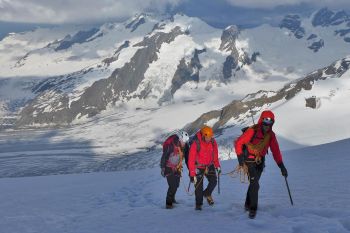
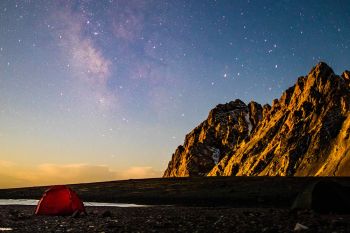
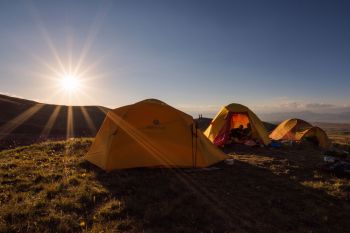
Augusto also provides expedition support services to the highest standards. Both base camps will be well-equipped with good quality sleeping tents, cook and mess tents. We use mules to carry the heavy equipment, allowing us to enjoy the approach treks with a light pack and with time to photograph the scenery, which in places is very spectacular.
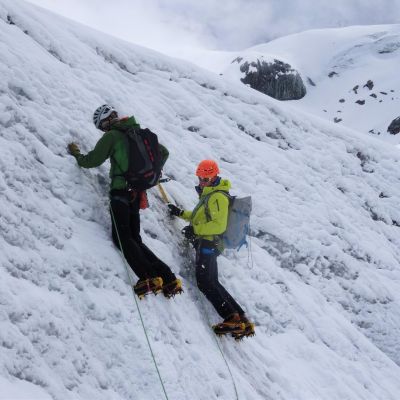
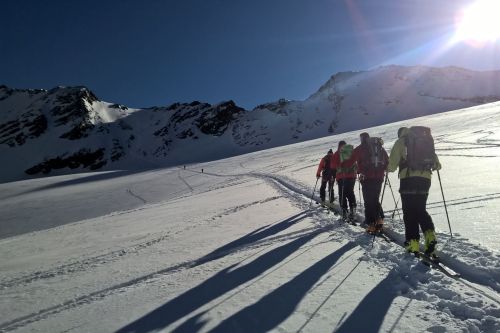
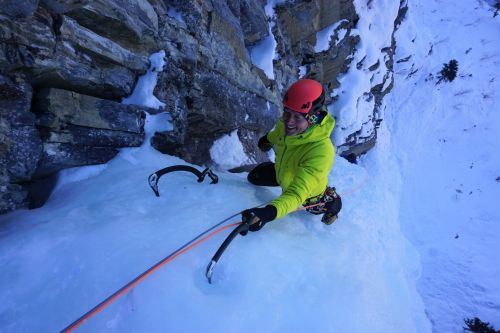
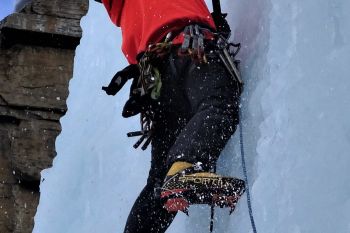
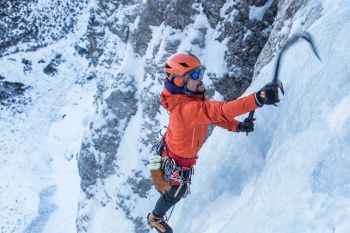
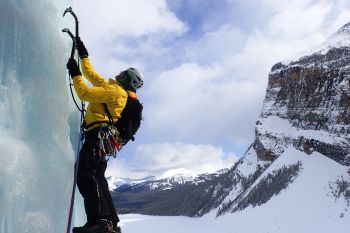
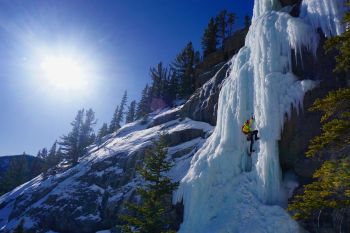
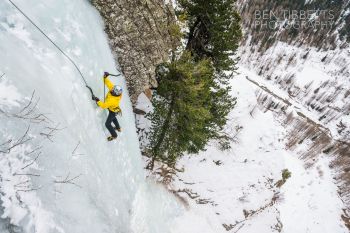
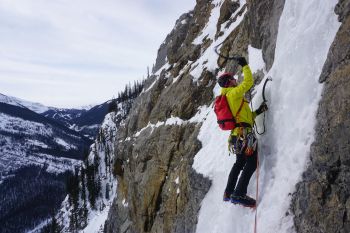
After a pleasant approach walk we set up our first base camp in the Ishinka valley. The summits of Ishinka (5500m) and Urus (5400m) are fine acclimatising objectives at a reasonable level of technical difficulty and also ideal for freshening up mountaineering skills in preparation for the more demanding climbing ahead. Once acclimatised we are ready to attempt Tocllaraju, which at 6040m is a tougher challenge involving a long glaciated approach to a spectacular summit cone. It has some 200m of steep (55-degree) and exposed ice climbing en route to one of the finest 6000m summits in the Cordillera Blanca.
We then descend for a brief mid-expedition break to rest and freshen up in the mountain resort of Huaraz. For the second part of the trip we travel to the Llanganuco Valley in the Huascaran region, taking the highway from Yungay which passes the two glacial lakes of Chinacocha and Orconcocha en route to Portachuelo Llanganuco, a high pass at 4,767 meters. Shortly after the lakes, we start the hike up to Pisco Base Camp. From here we plan to climb the popular summit of Pisco (5753m) before trekking around to Chopicalqui BC at 4300m. Chopicalqui (6400m) is an important summit in a magnificent setting between the tumbling glaciers of Huascaran North (6655m) and the spectacular triple-summited Huandoy (6395m).
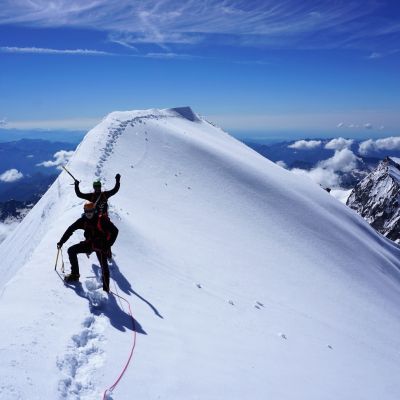
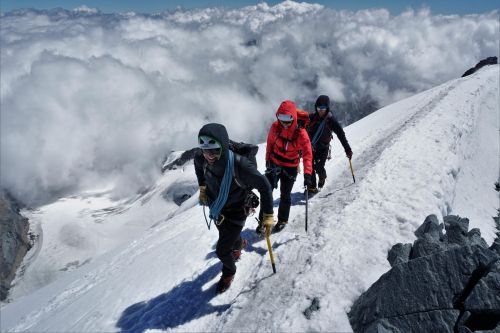
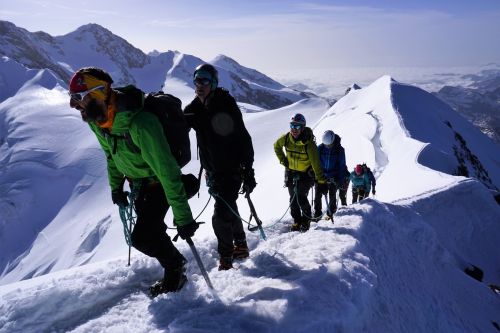
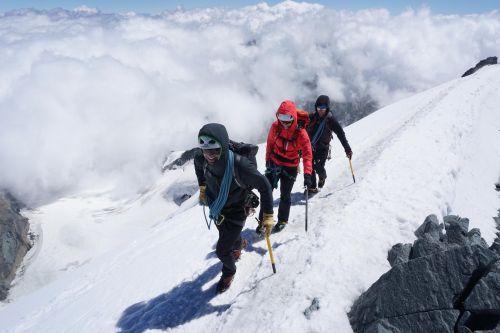
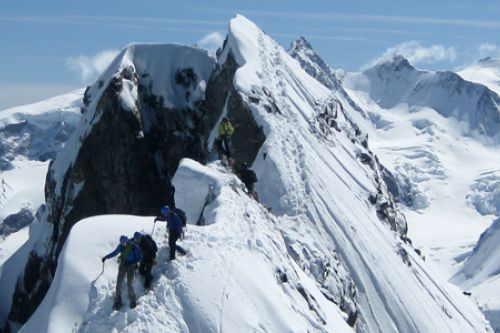
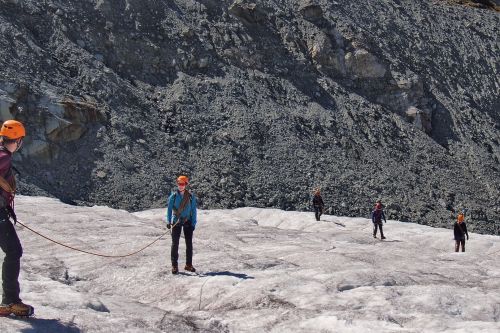
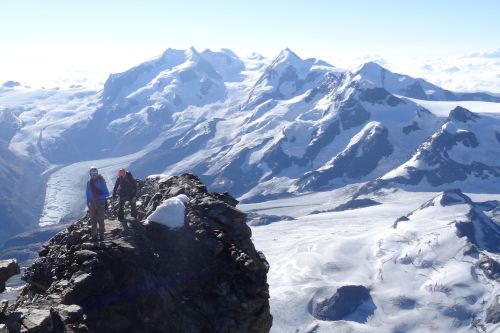
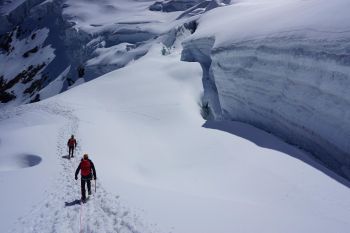
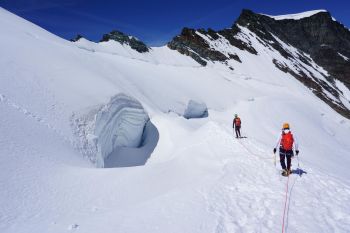
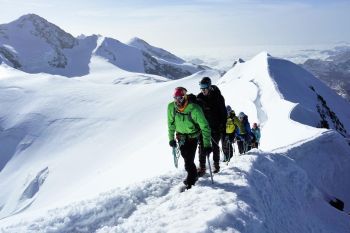
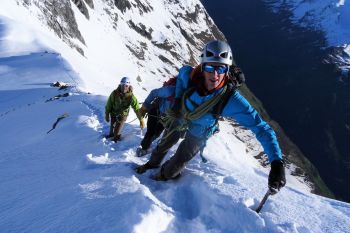
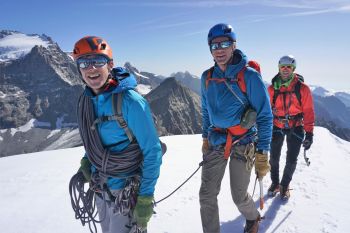
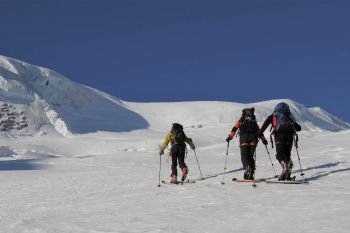
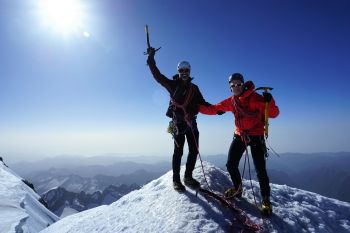
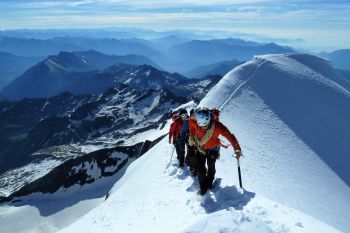
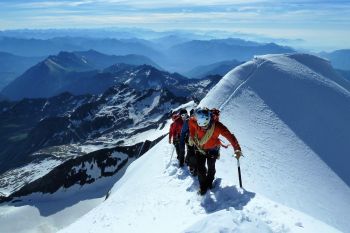
In good conditions the ascent is not difficult technically, being all on snow & ice at an alpine standard of AD. Conditions vary of course, especially on the glacier approach which may be complex and crevassed in some years. We make our summit attempt from a high camp at the base of the long final ridge, which gives a strenuous ascent at altitude to a magnificent summit dome. The breath-taking panoramic view from the summit of Chopicalqui is a perfect climax to the trip, taking in the great Andes summits of Huascaran North and South peaks, the Huandoy group, Chacraraju and Pisco.
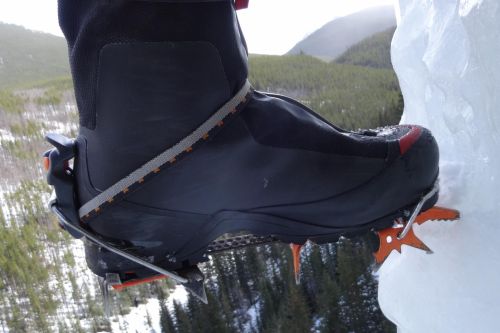
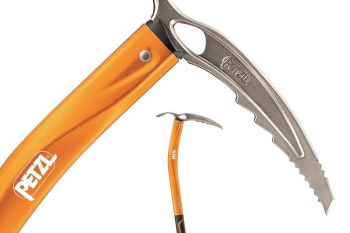
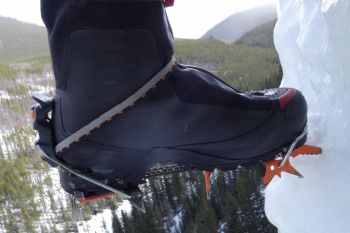
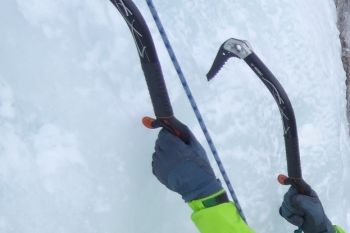
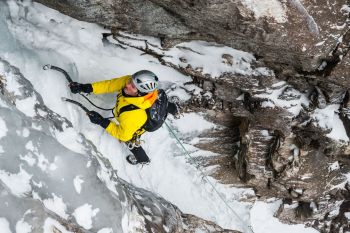
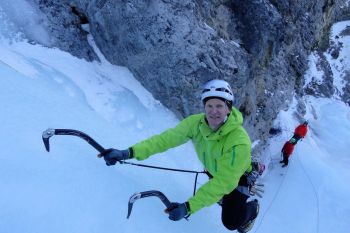
TECHNICAL REQUIREMENTS The technical standard on Tocllaraju and Chopicalqui is around Alpine AD. Urus and Ishinka are considerably easier at PD. As the main peaks can involve technical ice-climbing with two ice tools, a good grounding in snow and ice climbing is essential for anyone taking part in the expedition. If you are keen to join the expedition but feel you need to develop your skills/experience further beforehand, we are happy to advise on suitable preparation. For enquiries/booking/advice please contact Pat Littlejohn via the ISM office or directly by email: patlittlejohn@alpin-ism.com For full itinerary
and details, click here
|
|
| |
| |
||||||||||||||||||||||||||||||||||||||||||||||||||||||||||||||||||||||||||||||||||||||||||||||||||||||||||||||||||||||||||||||||||||||
|
||||||||||||||||||||||||||||||||||||||||||||||||||||||||||||||||||||||||||||||||||||||||||||||||||||||||||||||||||||||||||||||||||||||||||||
Home | About ISM | Book a Course | News & Reports | Sitemap | Links | Contact ISM |
|||