Rescue Techniques
Lake District - Level 3 : Instructional Course
Develop your ropework skills and gain confidence in your ability to become more independent; learn skills required to support and help a stranded or distressed climber.
This is a great course to equip the outdoor rock climber with the confidence to become more independent at both a single and a multi-pitch crags. We'll cover several common hazards and some simple techniques to help avoid them or how to manage incidents if they occur. It all starts with the planning of a route, good leader placed trad protection and the choice of safe anchors and a sound belay set-up as a platform to then help a second. Help could be supporting your partner in tackling a difficult section of the climb or helping someone down if things go wrong. You will have plenty of food for thought and loads to go away and practise
Course Highlights
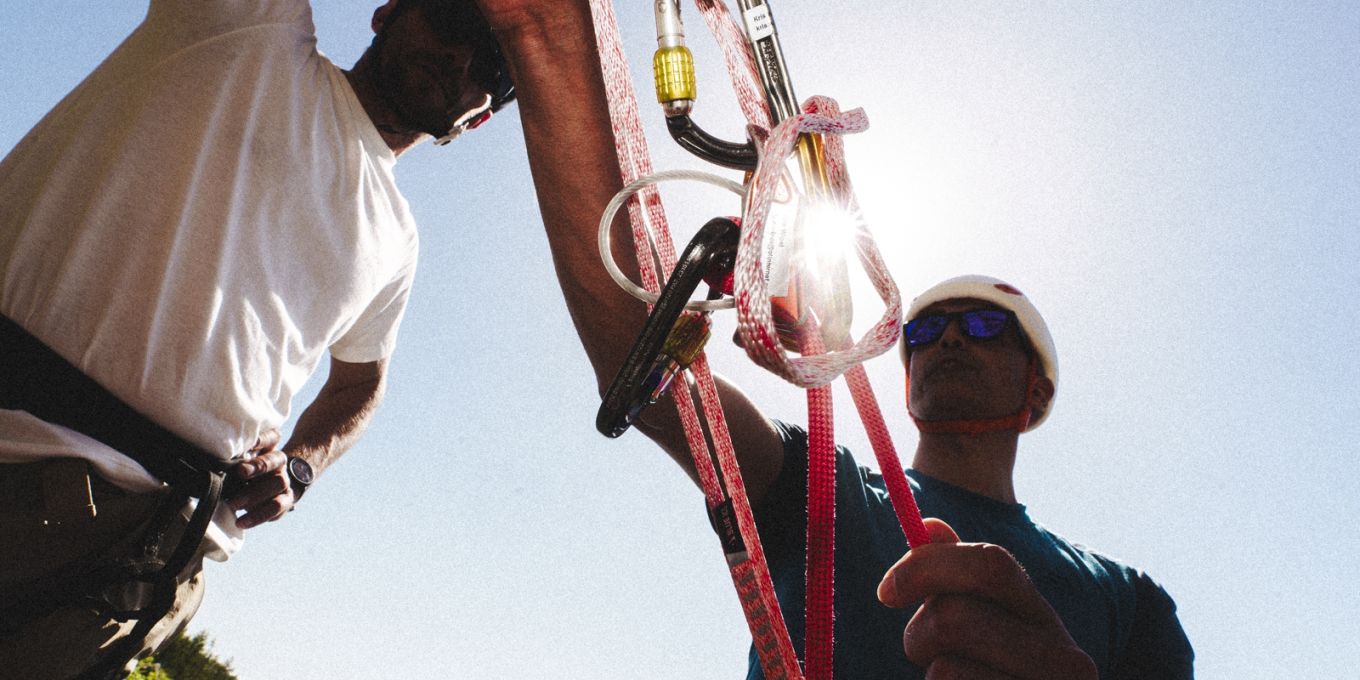
Rescue techniques
Build confidence and become more independent in your lead climbing abilities
Expert Guiding and coaching from experienced ISM Guides
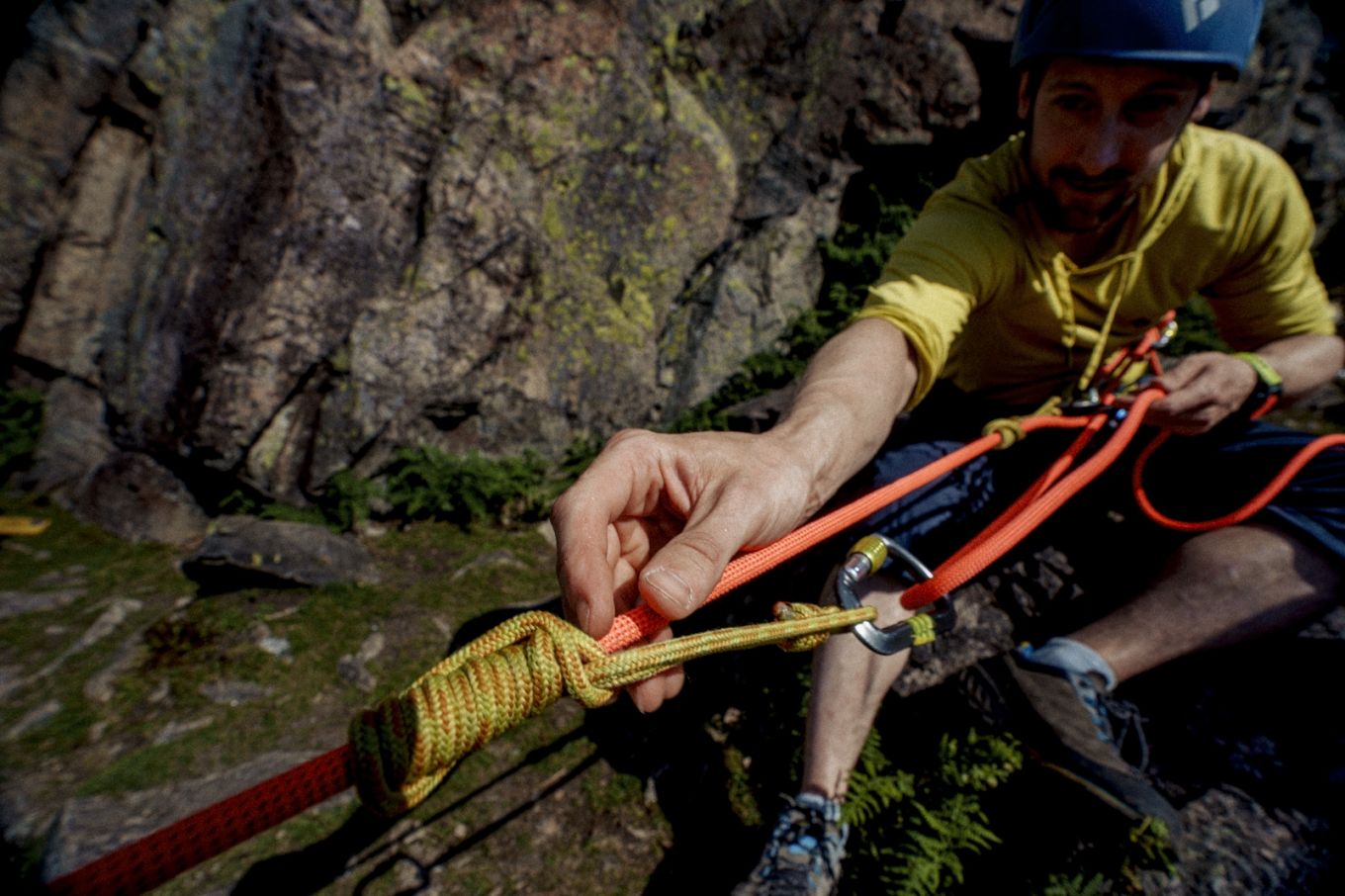
Safe rope work and belay techniques
Is The Course For Me?
This course would be best suited for someone who has climbed outdoors a lot and would either like to become more independent in outdoor ‘trad’ climbing or would just like to develop their climbing skills, knowledge and techniques as well as improving their personal climbing movement and in time their grade.
Meeting point: Great Langdale
Please note: A minimum of four participants/bookings is required for this course to run. If fewer than four places are booked, we will discuss alternative dates or options with you.
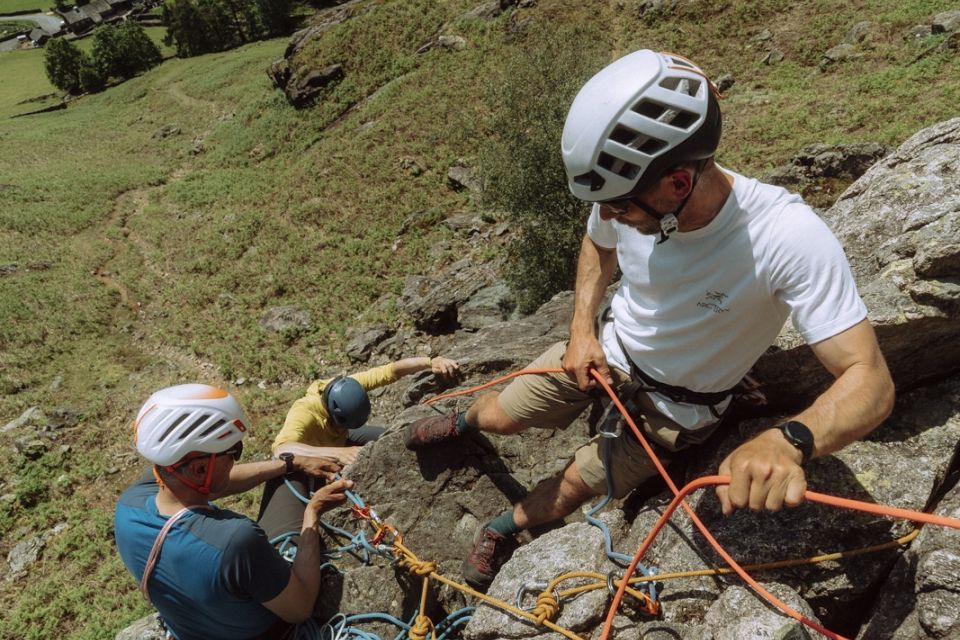
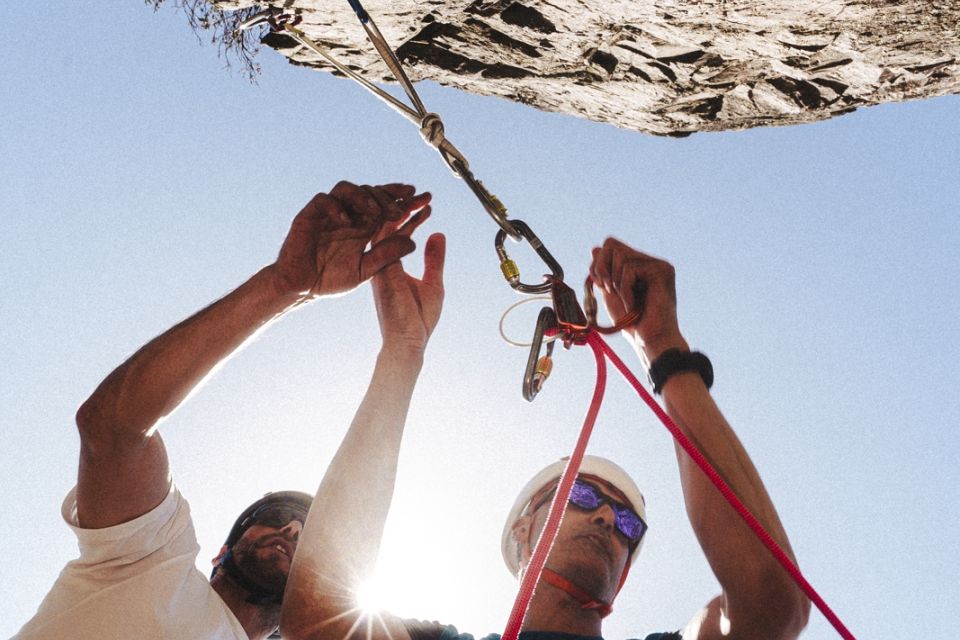
Building safe anchors and top ropes
Skills covered on the course include:
- A refresh of your skills and the level of your ability
- Preparation of equipment, traditional gear and rope choice
- Using the full range of natural protection
- Route choice
- Belaying a lead climber
- Taking out and placing ‘trad’ gear
- Lead climber rope work
- Lead climbing coaching
- Building anchors
- Rescuing a second
- Descending safely
- Crag awareness and safety.
- Stance organisation
- Safety equipment
- Avoiding potential problems (such as rope jams, protection falling out)
- Emergency procedures (when things don’t go quite as smoothly as planned) such as abseiling past a knot, hoist systems, escaping the system, evacuating an injured climber
- Judgement in rock climbing (perhaps the biggest safety factor!)
Course Dates & Booking
Please call for availability
Meet the Team
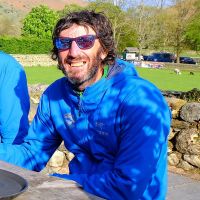
Paolo Intropido
IFMGA Italian Mountain Guide
Born in NW Italy in a region surrounded by mountains, Paolo started to ski and trek as a kid, always wanting to explore 'beyond the next hill'.
Read More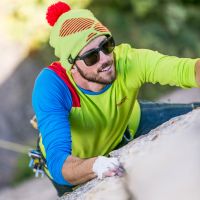
Carlo Cosi
IFMGA Italian Mountain Guide
Carlo Cosi was born in Padua, northern Italy, and has been a Guide since he was 23. He is a National Climbing Instructor and has a degree in Physical Education.
Read More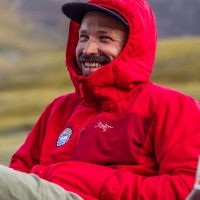

Steve Monks
IFMGA British Mountain Guide
A well known international climber, Steve has climbed and explored all over the world.
Read More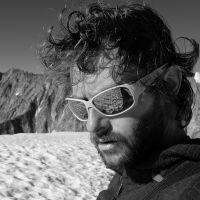
Tommaso Dusi
IFMGA Italian Mountain Guide
Tommaso is a an experienced Italian mountain guide and regular year-round ISM team member. He loves the mountains and helping people to connect and find happiness in nature.
Read MoreAll Vital Information
Short introduction to vital information. This is everything you need to know about attending this course, links to other pages
All Vital Information