- Home
- Courses
- Summer Mountaineering
- Main Page
- Programme & Dates
- Course Structure / Progression
- Full Price List
- Introductory Alpin-ISM
- Summits & Skills 4000m
- Student Alpine Week
- Student Alpine Ascents
- Classic Alpin-ISM
- Technical Alpin-ISM
- Mont Blanc Special
- Classic Alpine Summits
- Classic 4000 - Monte Rosa Chain
- Classic 4000 - Saas Valley
- Technical Alpine Skills
- Alpine Rock - Skills & Climbs
- Technical Alpine Ascents
- Technical Ascents Central Switzerland
- Bernese Oberland 4000m Summits
- Technical Peaks - Swiss Valais
- Matterhorn Ascent
- Eiger Ascent
- Weisshorn Ascent
- Personal Guiding & Custom Courses
- Swiss Via Ferrata
- Zinal High Level Route
- Oberland Trek
- Zermatt High Level Route
- Ski Touring & Off-Piste
- Ice Climbing (Winter)
- ISM Expeditions
- Worldwide Expeditions
- Sun Rock - Sardinia
- Climbing Courses UK
- Summer Mountaineering
- Book a Course
- About ISM
- News & Reports
- Vital Info
- Lectures
- Image Gallery
- Message Board
- Join Email List
- Course Feedback Form
- Contact ISM
Alpine Winter Mountaineering
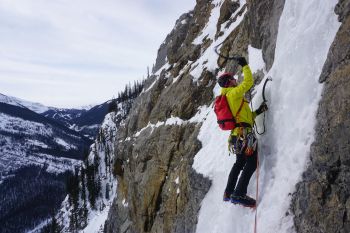
After running another successful course in 2010, ISM Director/Guide Adrian Nelhams will again be offering this adventurous week in March 2011. It will suit people with experience of alpine icefall climbing who would like to progress to longer and more challenging winter routes in the high mountains.
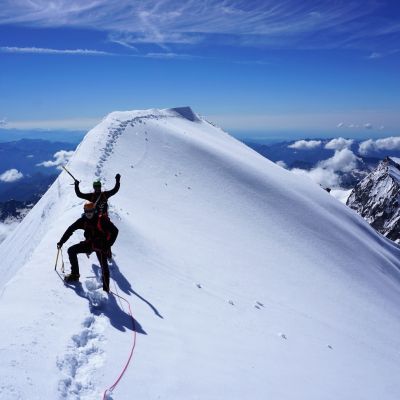
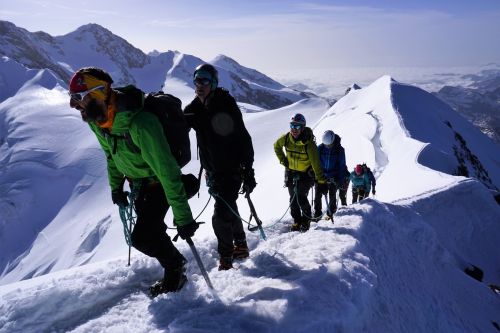
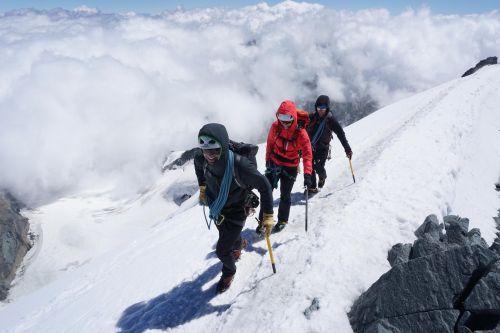
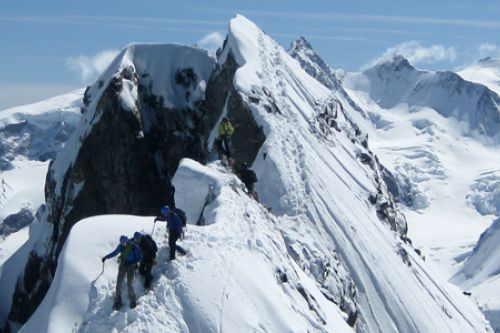
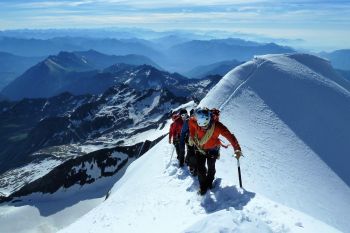
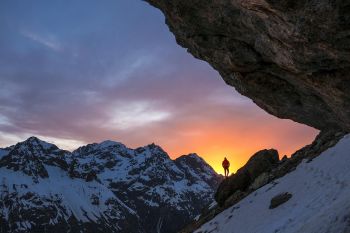
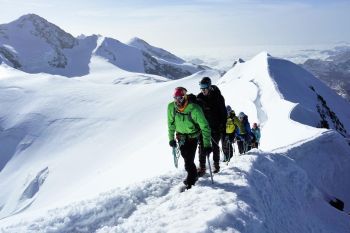
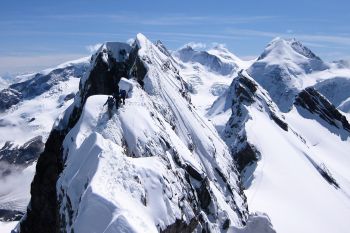
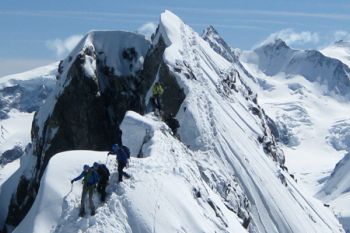
The peaks and routes of the Alps are much prized during the winter months and it is only the self-reliant that manage to achieve winter ascents. Winter alpinism pulls together all the skills and experiences acquired over the years, allowing you to tackle uncrowded and untracked alpine peaks in winter.
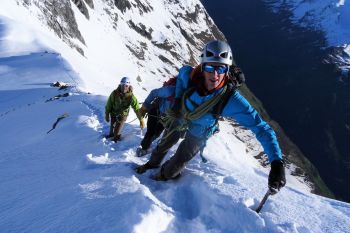
We climb routes up to Alpine D+. At this level of technical difficulty not only will the routes be challenging and physically demanding, but at a level that for the most part we can keep moving on, allowing us to keep warm, moving freely and so able to enjoy what can be a very harsh and cold environment.
When climbing in the Alps in winter, nights are spent in the
parts of the huts called ‘winter quarters’. These
rooms give basic shelter, blankets and sometimes a wood burning
stove giving warmth and a facility for cooking.
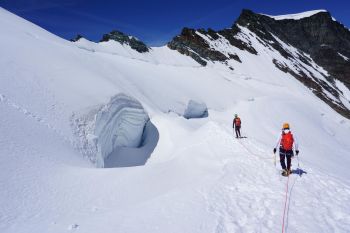
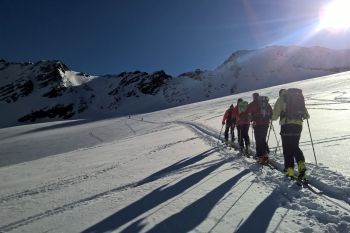
We take all our own food and use snowshoes to approach the
hut, get around on the glacier and to access the routes.
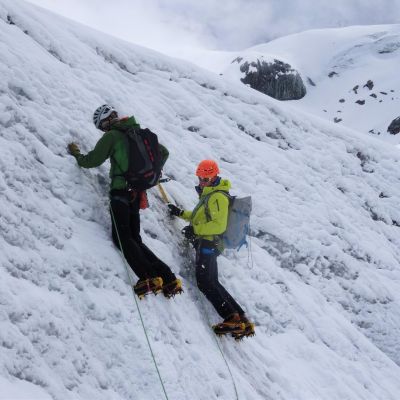
We use the first day or two to ‘dust off the cobwebs’ and
get moving, basing ourselves in a valley and climbing a couple
of winter routes from there, covering the basics on snow and
ice and getting a feel for conditions.
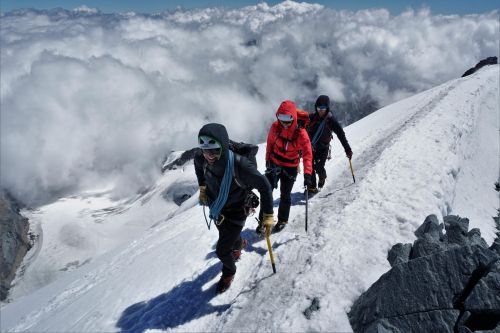
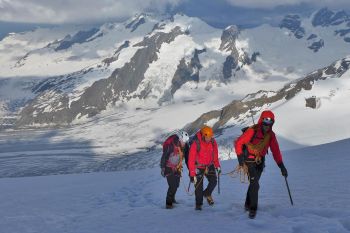
We then head up to a mountain hut/bivouac shelter and spend
a couple of days at high altitude.
We feel that it’s great to then break the week and have another valley night to rest and refresh before heading up into the mountains again for the last part of the week, returning to Leysin on Friday.
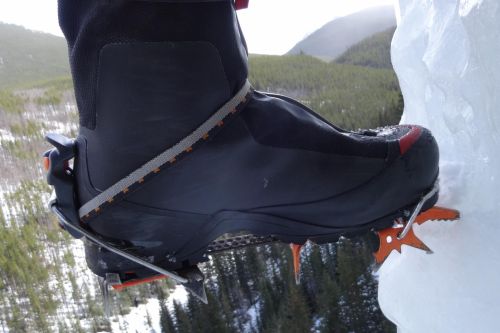
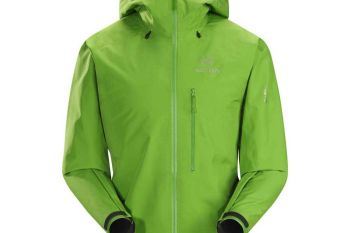
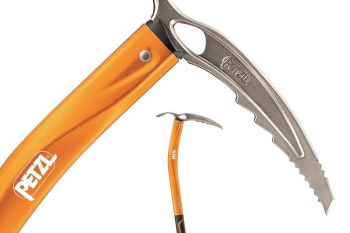
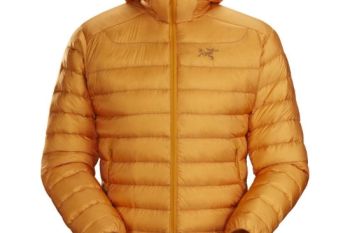
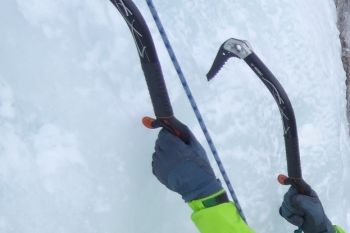
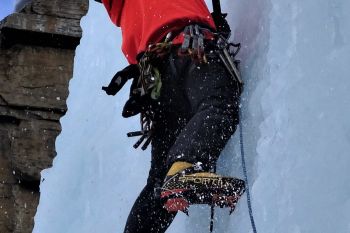
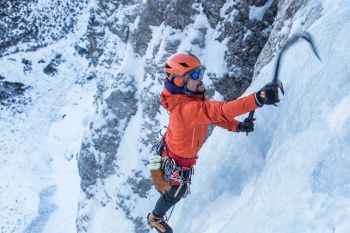
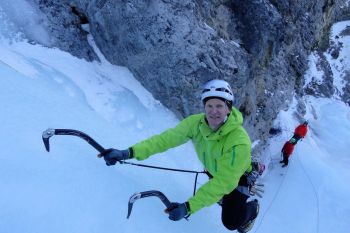
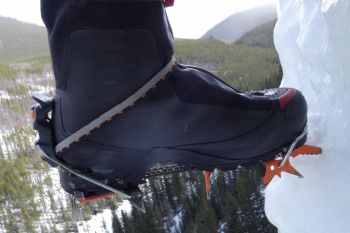
Good warm boots (double boots or winter boots with good gaiters), good gloves and warm clothes (including an insulated jacket) are essential. We require everyone to have a good level of fitness and a moderate level of competence in climbing, cramponing, and the use of 2 ice axes. (Scottish winter grade III).
There will be time for some instruction, especially at the start of the week, although once in the high mountains during the winter the focus is on getting up the route/mountain and back safely rather than teaching skills. What you will learn and take from the experience comes from the adventure of getting out and climbing the high Alpine peaks in winter. It is always a team effort with everyone having an important role to play.